Binance, often referred to as the world’s largest cryptocurrency exchange by trading volume, has been a dominant force in the digital asset space since its founding in 2017. For users searching "币安交易所a怎么样" (How is Binance Exchange?), the answer lies in a balance of unmatched liquidity, extensive asset support, and ongoing regulatory challenges. This review provides a clear, objective look at what Binance offers in 2025.
First, let's address the core strengths. Binance’s primary advantage is its sheer scale. It offers one of the lowest trading fees in the industry, especially for users holding its native BNB token. The platform supports hundreds of cryptocurrencies, from major coins like Bitcoin and Ethereum to thousands of altcoins and meme tokens. For traders, this means deep order books and minimal slippage, which is critical for both spot and margin trading. Additionally, Binance’s "Earn" platform provides opportunities for staking, savings, and liquidity farming, attracting users looking to generate passive income beyond simple trading.
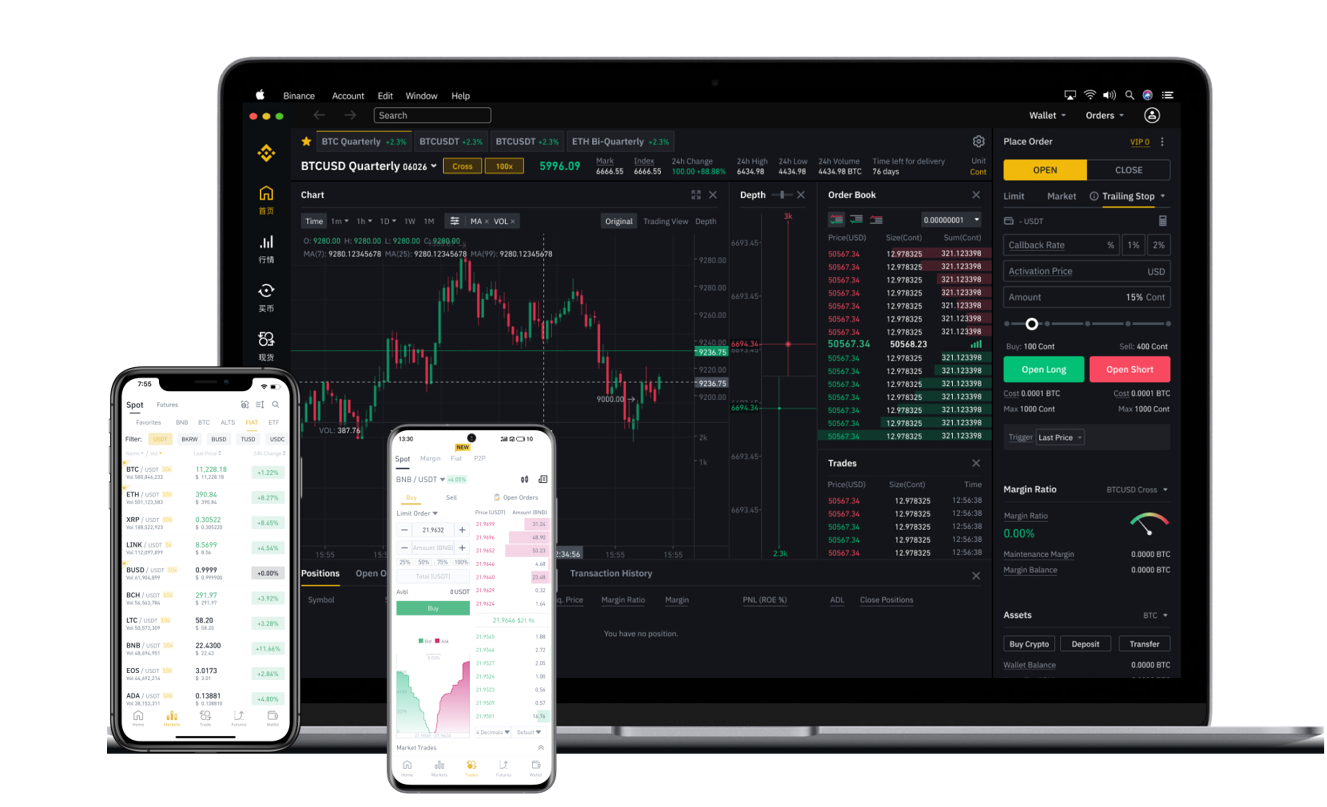
In terms of user experience, Binance has made significant efforts to be accessible. The interface caters to both beginners and professionals. The "Lite" mode simplifies buying and selling for newcomers, while the "Pro" interface offers advanced charting tools, futures trading, and APIs for algorithmic traders. Mobile apps for iOS and Android are robust, offering near-full functionality. However, beginners should note that the platform’s extensive features can initially feel overwhelming, and a steep learning curve exists for those unfamiliar with decentralized finance concepts.
Security is a major consideration when evaluating "what Binance is like." The exchange has invested heavily in security measures, including SAFU (Secure Asset Fund for Users), an emergency insurance fund designed to cover user losses in extreme situations. In recent years, Binance has also implemented mandatory KYC (Know Your Customer) procedures for all users, enhancing transparency and regulatory compliance. Despite past hacks in the DeFi ecosystem, Binance’s core exchange has maintained a strong security record since its major incident in 2019, though users should always enable 2FA (two-factor authentication).
On the potential downside, regulatory uncertainty remains the most significant factor affecting the user experience. In many jurisdictions, including parts of Europe and the United States, Binance has faced restrictions or scaled back services. For example, Binance.US operates as a separate entity with a narrower range of tokens. Users in regions with strict regulations may encounter service limitations, withdrawal delays, or sudden policy changes. This regulatory friction can be a major source of frustration for those seeking a stable, long-term platform.
Another consideration is customer support. While Binance offers a comprehensive help center and community forums, direct support response times can be slow during high-traffic periods. Some users on social media platforms like Reddit and X (formerly Twitter) have reported delays in resolving account-related issues. This is an area where the exchange continues to receive mixed reviews, suggesting that users with high-tier VIP status or those willing to use automated systems often have a smoother experience.
In conclusion, to answer "how is Binance exchange," it can be described as the industry standard for high-volume trading and broad asset selection. It excels in low fees, liquidity, and product diversity but carries complexities around regulatory compliance and support availability. For traders who prioritize platform depth and variety, it remains a strong choice. For absolute beginners or those in restricted regions, smaller or region-specific exchanges might offer a simpler, more transparent entry point. As always, potential users should check their local regulations and start with small transactions to test the platform’s suitability for their individual needs.