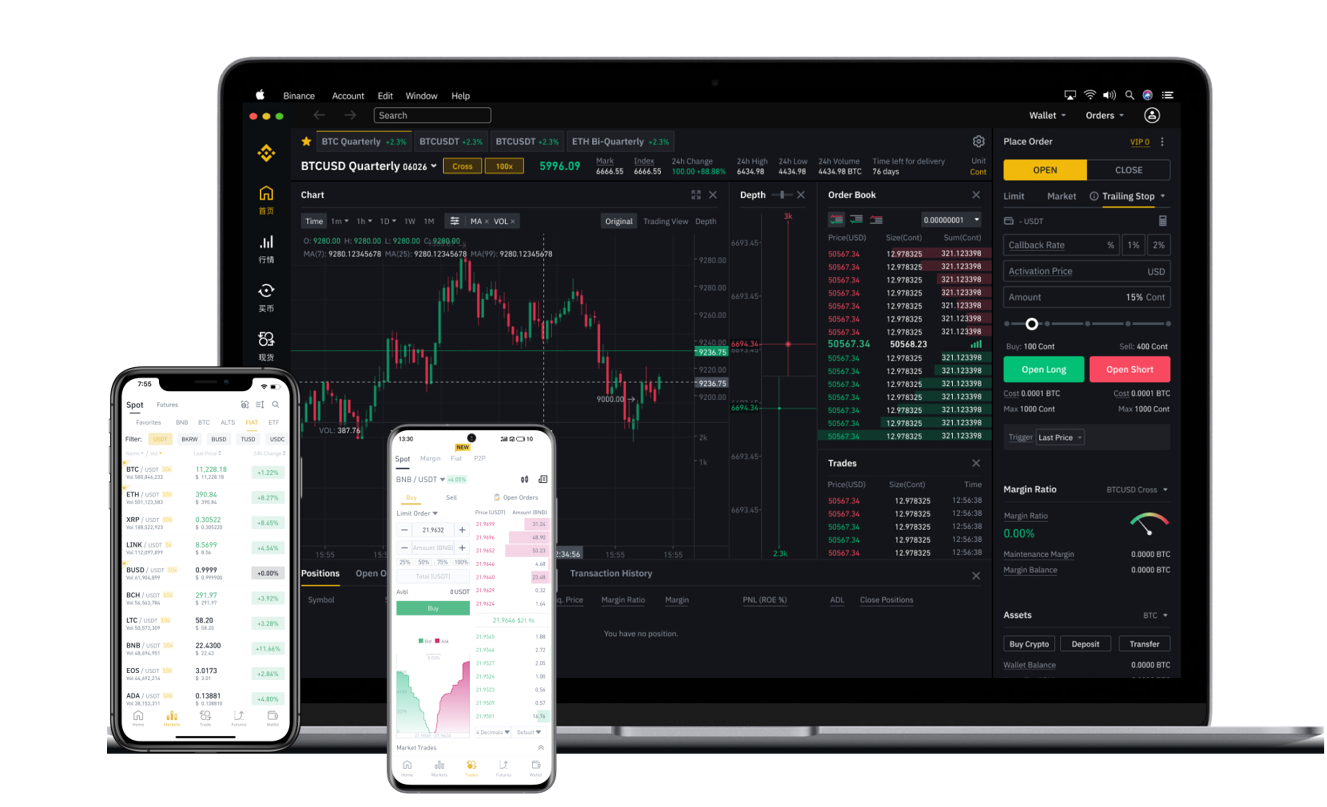

Navigating cryptocurrency withdrawals between Binance and Indian exchanges can be complex, especially for users who have invested funds through Indian platforms and now need to move assets back to Binance or cash out entirely. This guide provides a clear, step-by-step breakdown of the withdrawal process, covering key considerations like supported networks, regulatory changes, and practical tips to avoid common pitfalls.
First, understand that Binance itself does not directly integrate with most Indian exchanges due to regulatory differences. Indian exchanges such as WazirX, CoinDCX, or ZebPay operate under local compliance frameworks, while Binance is a global platform. If you have funds on an Indian exchange and want to withdraw them to Binance, you must first transfer the cryptocurrency (e.g., USDT, BTC, or ETH) from the Indian exchange to your Binance wallet. This is done by generating a deposit address on Binance for the specific coin and network you intend to use. For example, to transfer USDT, you would select the TRC-20 or ERC-20 network on Binance, copy the deposit address, and then paste it into the withdrawal section of your Indian exchange.
One critical point is network compatibility. Always ensure the network you choose on the Indian exchange matches the network on Binance. Using mismatched networks (e.g., sending USDT via ERC-20 from the Indian exchange but providing a TRC-20 address on Binance) can result in permanent loss of funds. Both platforms typically display network options clearly during the withdrawal process. Additionally, check for minimum withdrawal amounts and fees on both sides. Indian exchanges often charge a flat fee or percentage, while Binance may also impose a small network fee for receiving deposits.
If your goal is to cash out into Indian Rupees (INR), the process changes. Binance does not directly support INR withdrawals to Indian bank accounts for most users under current regulatory conditions. Instead, you must first withdraw your crypto from Binance to an Indian exchange that supports INR fiat withdrawal, such as WazirX or CoinDCX. To do this, log into Binance, find your asset (e.g., USDT), select “Withdraw,” and choose the Indian exchange as the destination. You will need to enter your deposit address from the Indian exchange, which you can find in its “Deposit” section. Again, double-check the network matches.
Once the crypto arrives in your Indian exchange wallet, you can sell it for INR using the platform’s spot or instant sell feature. After the sale, the INR balance will appear in your Indian exchange account. From there, initiate a bank withdrawal via UPI, IMPS, or NEFT, depending on the exchange’s supported methods. Note that Indian exchanges often have withdrawal limits and require KYC verification, including PAN card and Aadhaar details. These steps are mandatory by law and may take a few hours to a day to process the fiat withdrawal to your linked bank account.
A common issue users face is that Indian exchanges like WazirX were previously indirectly linked to Binance through a disputed acquisition. However, as of 2024, Binance has delisted WazirX from its ecosystem, meaning you cannot directly transfer assets between them without going through a separate blockchain transaction. This adds an extra step and transaction fee. Always verify the current relationship status before attempting a transfer.
For larger amounts, consider using stablecoins like USDT or USDC for transfers because their value remains steady. Avoid transferring volatile coins during price swings. Also, keep track of network congestion. Ethereum (ERC-20) transfers can be slow and expensive during high demand, while Binance Smart Chain (BEP-20) or Tron (TRC-20) are typically faster and cheaper. Binance supports multiple networks, so choose the most cost-effective option available on both platforms.
Finally, regulatory risks in India remain a factor. The Indian government has imposed a 30% tax on crypto gains and a 1% TDS on each transaction. When you transfer crypto from an Indian exchange to Binance, it is considered a transfer and may trigger tax reporting requirements. Ensure you maintain records of all transfers, including transaction IDs, dates, and amounts, for your tax filings. Similarly, when cashing out to INR, the exchange will deduct TDS, which you can later claim as a credit during filing.
In summary, withdrawing funds from Binance to an Indian exchange or vice versa requires careful attention to network compatibility, fees, and regulatory compliance. The safest approach is to use a simple, well-supported coin like USDT on a low-cost network such as TRC-20 or BEP-20, and always test with a small amount first. By following these steps, you can avoid costly mistakes and ensure your funds arrive safely, whether you are investing further or cashing out.